It’s always exciting to share a new book by an author I know personally. Jessica Fries-Gaither is not only an Ohio author and friend, she’s a great resource as both science teacher and now Albert Einstein Distinguished Educator Fellow for 2024-2025.
Through her Fellowship, she’s learning about the Library of Congress collections that relate to science, and about the science being done at the Library in order to develop classroom materials, write for publications, participate in social media efforts, participate in professional development of educators, visit classrooms, and give presentations.

Wild Wonderings Book Review
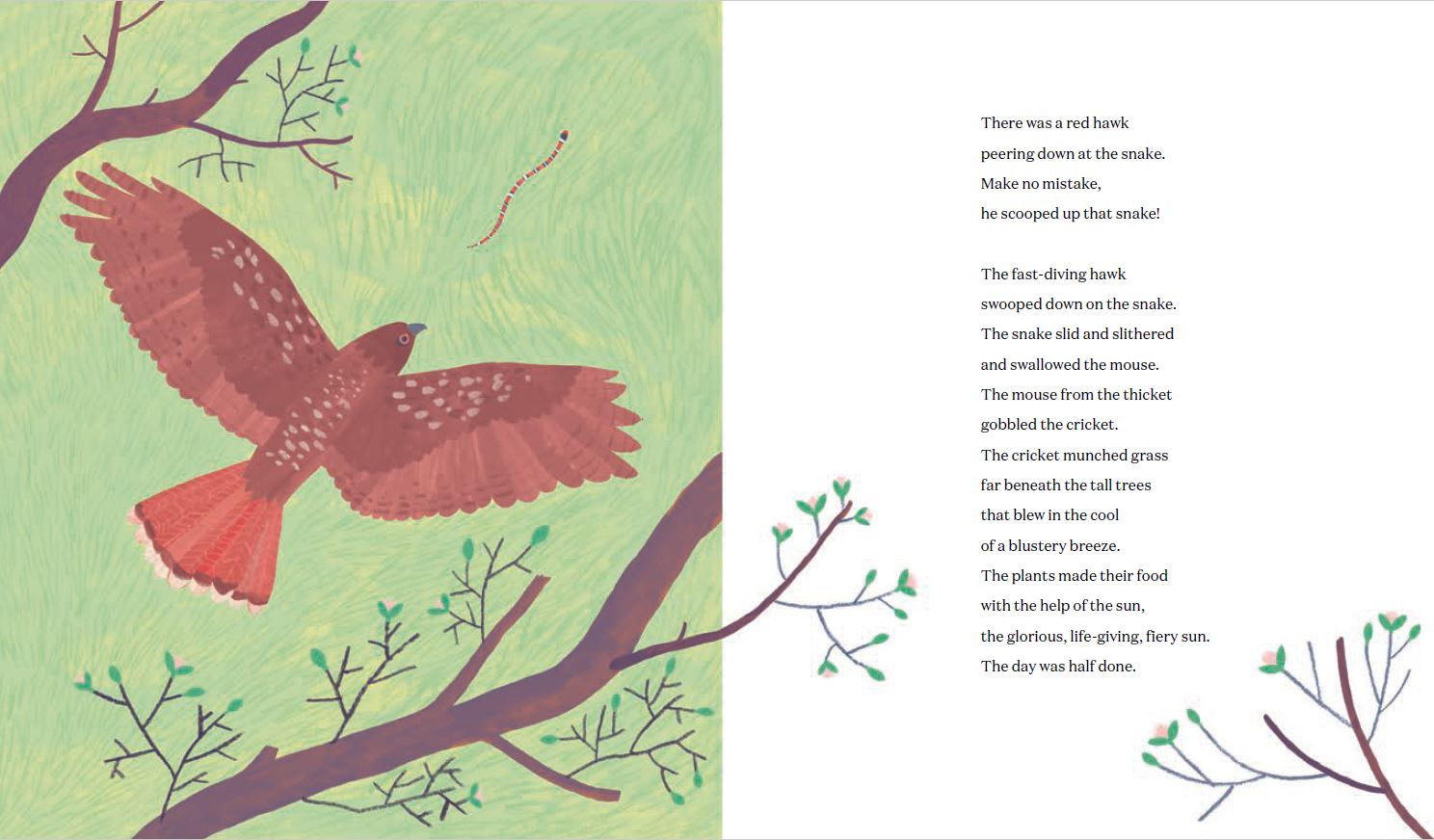
Her newest book, Wild Wonderings: Scientists and Their Questions, illustrated by Linda Olliver, is the perfect picture book to share with budding scientists to engage them in the steps before the scientific method. It all begins with curiosity and questions!
Author Fries-Gaither explains that even though some questions can’t be answered by using the scientific method and acquiring data, it’s still important to ask them. From Thales of Greece through current day Columbian planetary geologist, Adriana Ocampo, readers discover the questions that intrigued scientists over time, and how they went about finding answers through observation and even by accident. The author chose a group of nine diverse scientists, some well known and some not, to highlight. Kids will see themselves in the variety of topics and interests these scientists represent, too.
Educators and librarians will appreciate the strong back matter that includes the scientists profiled along with a short, interactive lesson that instructs readers to turn observations into questions, how to sort questions as research questions, observational, and testable questions.
The engaging art, rhyming text, and extensive science and educational background of Fries-Gaither make this a must-purchase for teachers and school librarians alike. While the publisher NSTA Kids recommends this picture book for grades: 3-5, as a former K-12 librarian, I know middle school teachers and students can also benefit from this book as a jumping off point for research and formulating questions.

Craft Chat with Jessica Fries-Gaither
Jessica: First, the ten-million-dollar question: why poetry? The answer to that comes way back in 2013, when I started to work on the first book in this series, NOTABLE NOTEBOOKS: SCIENTISTS AND THEIR WRITINGS. I tried and tried, but the only way I could write it was in rhyme. For whatever reason, the manuscript just demanded poetry. And that wasn’t easy, given the technical vocabulary and scientist names. But I persevered and once NOTABLE NOTEBOOKS was published, the next two (EXEMPLARY EVIDENCE and now WILD WONDERINGS) had to follow the format.
As for the nitty-gritty details, no, these are not formal quatrains with strict meter and rhyme. I have a really hard time with meter—always have, since my high school studies of Shakespeare. Instead, the text is the product of me reading out loud and revising over and over. Maybe someday I’ll take a class and finally get the hang of it. Or maybe I’ll just never write in rhyme again! (Certain books require prose while others require the poetic treatment. I feel the quatrains make this a fun read! -Kathy)
And yes, the couplet is supposed to serve as conclusion/transition/reinforcement of the importance of questions.
Kathy: There are so many scientists throughout time, how did you decide which ones to include? Who would you have liked to include, but couldn't?
Jessica: Selecting scientists for all three of the books took some time, research, and reflection. Most importantly, I wanted to reflect the true diversity of science, including men and women from different cultures and different time periods. Representation is so critical in STEM, and so I was committed to doing that from the start. Also, I needed to find individuals whose work could be fairly easily summarized and accessible to elementary-aged students. And in the case of WILD WONDERINGS, I wanted to feature scientists who asked really compelling questions for kids. That led me to rule out some interesting people, but I don’t regret any of those choices.

Jessica: While I’ve been a member of NSTA for my entire career as a science educator, my writing connection began in 2010 while I was working at Ohio State. Terry Shiverdecker, science specialist at the Ohio Resource Center, and I had created an inquiry-based, integrated science and literacy unit for a professional development workshop. We received really positive feedback from teachers and decided that we wanted to try and write a book full of such units. So we reached out to NSTA and proposed the concept. They were on board and we published INQUIRING SCIENTISTS, INQUIRING READERS in 2012. That success gave me the confidence to pitch NOTABLE NOTEBOOKS for their kids' imprint.
My advice to anyone wanting to write, for NSTA Press or any other publisher, is to do your homework and learn about the field. If you want to write for teachers, make sure you’re up-to-date on current research and pedagogical approaches. If you want to write for kids, make sure you’ve read a lot of current children’s nonfiction. Learn about the craft and ask when you have questions. The kid lit community is very welcoming and encouraging. And most importantly, don’t be afraid to pitch your idea!

Kathy: Please share some of the highlights of your year-long residency as an Albert Einstein Distinguished Educator Fellow at the Library of Congress. I know this could, and may be a book one day!
Jessica: I’m five months into an eleven-month fellowship, and I could fill several volumes with the highlights already. I’ve gotten to see some incredible scientific documents up close and personal, like Marie Tharp and Bruce Hezeen’s map of the ocean floor. I’ve been collaborating on a project with the Library’s Rare Books and Preservation departments--we’ve been scientifically analyzing the pigments in Maria Merian’s 1705 book, Metamorphosis of the Insects of Suriname. We have an entire Library blog post on the project coming out soon, so I don’t want to give too much away there. And I’ve been working with the Library’s Informal Learning office on content and children’s programming for The Source, a creative research experience for kids expected to open late 2025. It will be a great addition for our budding researchers!
Kathy: What are some of your favorite resources that educators, authors, and school librarians may not know about from the LOC?
Jessica: First, I don’t know that people realize the breadth of the Library’s collection. It’s not just books--there are maps, prints & photographs, comic books, newspapers, and so much more. And the collection is not solely made up of items from the United States—there are extensive international collections as well. After all, the LOC is the world’s largest library!
Every department in the Library has its own blog, which is a great way to get a feel for the incredible diversity of collections housed here.

People may also not know that anyone 16 years or older can register for a free readers card, which allows access to the Library’s reading rooms and collections. And for those not in the DMV area, the “Ask a Librarian” feature is unmatched. The librarians here are some of the most curious, interesting, and helpful people I’ve ever encountered. They will happily help you conduct whatever type of research you are interested in. The Library truly belongs to each and every one of us—take advantage of it!
Kathy: What other exciting upcoming events are you especially looking forward to during this year in Washington DC?
Jessica: Some of the events I’ve enjoyed the most have been unexpected, so it’s hard to answer this question. I am looking forward to the cherry blossom festival, although I’ve been warned about the massive crowds. I’m really just excited to take advantage of as many opportunities as I can—both big and small—for the rest of my time here!
About Jessica Frie-Gaither
Jessica is an experienced science educator and an award-winning author of books for students and teachers. Her titles include Nature's Rule Breakers: Creatures That Don't Fit In, Notable Notebooks: Scientists and Their Writings, Exemplary Evidence: Scientists and Their Data, Wild Wonderings: Scientists and Their Questions, and Science Notebooks in Student-Centered Classrooms. She is currently a 2024-2025 Albert Einstein Distinguished Educator Fellow at the Library of Congress.
Jessica's Social Media Contacts
www.jessicafriesgaither.com
https://www.facebook.com/jfriesgaither
Instagram @JessicaFGWrites
BlueSky: @jessicafgwrites.bsky.social
https://www.linkedin.com/in/jessica-fries-gaither-14407233/