
As a novice writer, I
thought if I had one or two pieces of the story puzzle, I could write my way
into the rest. And I did--over months and months of fruitless writing. It was a long, daunting process. Here’s
my former process, and the shortcut that changed everything.
 1. First strategy: Start with
the ending. When I asked my kindergarteners what animal popped out of its
hole on February 2, they were stumped until one blurted, “It’s the armadillo!”
1. First strategy: Start with
the ending. When I asked my kindergarteners what animal popped out of its
hole on February 2, they were stumped until one blurted, “It’s the armadillo!”
His answer inspired my first
book. But all I had was an unexpected
character. WHY was an armadillo the forecaster? I thought of numerous scenarios. They were rejected 32 times. Each time the ms. returned, I
revised. Once I finally got the beginning locked in, the middle perked
up, and manuscript #33, Substitute
Groundhog, was accepted by Albert Whitman.
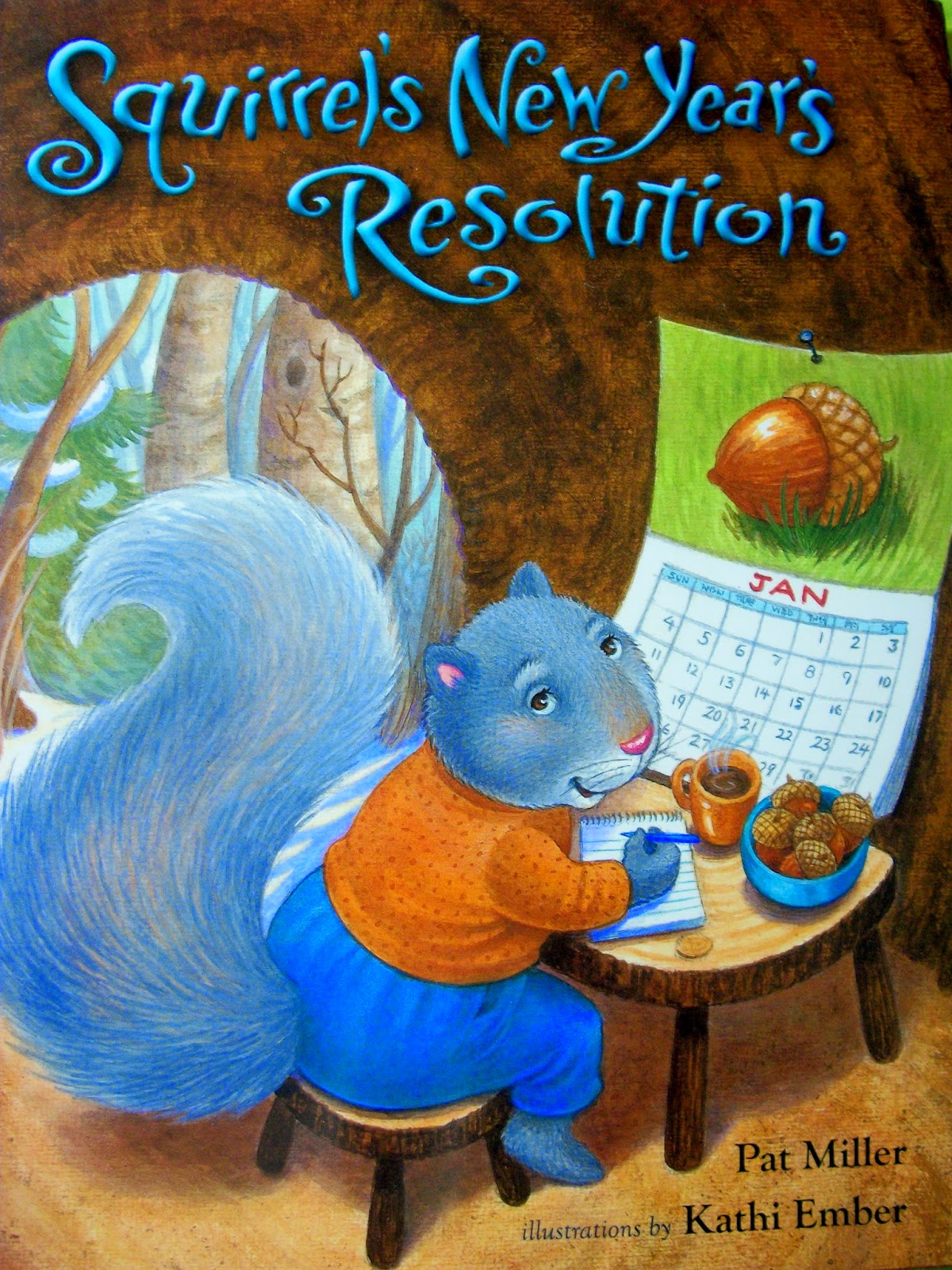
2. Second strategy: Start with the characters. Albert Whitman was
looking for holiday books. I flailed around, brainstorming a number of ideas,
none of which had any substance. When I thought of the characters from my first
book, I knew what they would say and how they would interact. But I still spent
months coming up with a variety of unsatisfactory holiday stories in which they
starred. Eventually, I got it right, and Squirrel’s
New Year’s Resolution was purchased by Albert Whitman.
 3. Third strategy: Piggyback on a traditional tale. This one worked
because the original tale provided the beginning, middle, and end. Early in the
semester, I shared We’re Going on a Bear
Hunt with my students, and it
donged (as my husband says) on me that this was the perfect pattern for my book
on library orientation. It was just a matter of altering the traditional tale
to fit the library content. It sold within a week to Upstart Press. I was
getting closer to the shortcut.
3. Third strategy: Piggyback on a traditional tale. This one worked
because the original tale provided the beginning, middle, and end. Early in the
semester, I shared We’re Going on a Bear
Hunt with my students, and it
donged (as my husband says) on me that this was the perfect pattern for my book
on library orientation. It was just a matter of altering the traditional tale
to fit the library content. It sold within a week to Upstart Press. I was
getting closer to the shortcut. 4. The shortcut! Get all the pieces in place first. I was doing
some
things right, but not consistently or efficiently. I studied my first three
books to determine how I could shortcut this ineffectual process. Call me a
slow learner, but I made a list of the key story elements. Then I filled them
in with my ideas. This time, I wanted to write a fun story about book care.
Here’s my plan:
- Characters: Five mischievous monkeys à la Curious George
- Problem: Big sis discovers that her sibs have damaged
their books
- Beginning: The five little monkeys are in bed reading
together
- Middle: One by one, big sister discovers that her sibs
have damaged their books (I listed four common problems)
- Solution/Resolution: Don’t worry, you can…. (book care solutions
with Ms. Booker)
- Ending: All is well, with books repaired, lessons
learned, until they discover that Big Sis has an overdue book!
After brainstorming all
these sections, I was able to use the bouncy rhythm of "Five Little Monkeys
Jumping on the Bed" to frame the story. Upstart bought the ms. and published it as story cards.
Knowing ALL the key elements first made the difference. My writing was more targeted. I knew where I was going, who was coming along, and what
problems and solutions we would encounter. The actual trip was much easier than my previous strategy of setting out with hope but no map and only a sketchy plan.
Examine some of your
favorite children’s picture books, using this outline. Do you see how
everything else falls into place? Sure, this is Writing 101. But if you didn’t take that class, you may be
floundering around like I did. Focus, plan, then
write once you have all the elements worked out. Bon voyage!
