Wednesday, October 19, 2022

UNLAWFUL ORDERS: A PORTRAIT OF DR. JAMES B. WILLIAMS TUSKEGEE AIRMAN, SURGEON, AND ACTIVIST Written by Barbara Binns

By Suzy Leopold

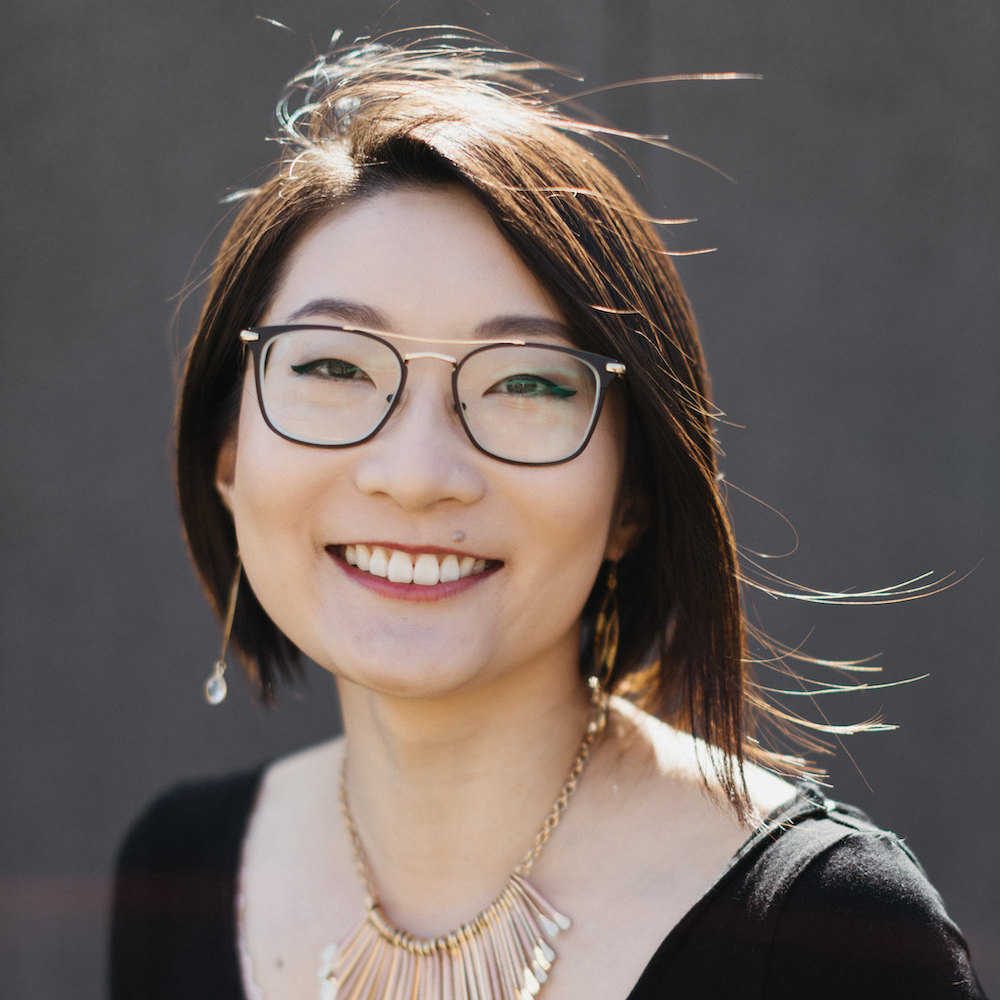
Let’s meet the critically acclaimed author, Barbara Binns. I had the pleasure of interviewing her about her new middle-grade biography. 

This inspiring story is about a Tuskegee Airman and his fight for racial equality. Black and white photographs and illustrations support the well-researched text. Back matter includes a bibliography and source notes.

Yesterday was the release day for Unlawful Orders: A Portrait of Dr. James B. Williams Tuskegee Airman, Surgeon, and Activist. 

Welcome to the GROG Blog, Barbara. 

Q1: What was your inspiration for writing this biography, Unlawful Orders: A Portrait of Dr. James B. Williams Tuskegee Airman, Surgeon, and Activist?

A1: Honestly it was a teacher, just not one of my teachers. My inspiration was Clara Belle Drisdale Williams, the mother of James Williams, and his two brothers, Jasper and Charles. This began as a two-page tribute to her, but the more I learned, the more I fell in love with her entire family, especially her middle son, James B.

Q2: Did you have a critique group (literary agent or editor) who helped and supported your vision for this story?

A2: A friend who writes under the name Kayla Kensington, Finding Her Family’s Love, Mt Zion Press, 2022 and I have formed a critique duo. She writes adult romance, proving people can work with, and successfully critique, writers of differed genres. We’ve been meeting together for several years and it has helped both of our writing. We meet in person as much as possible, although 2020 and 2021 were the years we both got cozy via Zoom.

Q3: The official publication date for Unlawful Orders was yesterday--October 18th. What are some activities and events you are doing (or plan to do) to launch and promote your book?


A3: I have a list of activities I am counting down on.


This summer I had my website updated in preparation for the new book. You can see the result on my website.


In July, I sent an ARC (Advanced Reader Copy) of Unlawful Orders to an SCBWI friend, who also does book reviews for the Champaign-Urbana News-Gazette, to get the ball rolling. Her review was published in September.


I have also been in touch with Teaching Books, an internet book resource for children and adults. I recorded an audio interview for them, along with a reading from Unlawful Orders. It will be available soon in the book resources section of Teaching Books.


I am lucky enough to be able to work with a publicist provided by my publishing house. She got me an interview with a reporter for The Tribune in Seymour, Indiana – the site of the Freeman Field Mutiny described in the book. You can read the article in The Tribune.  


The publicist also put me on a Scholastic panel with another

author where we discussed nonfiction books for kids during the

recent National Council of Teachers of English (NCTE)

Homecoming mini-conference, in Louisville, Kentucky. That was

the first NCTE first in-person event since Covid-19 and put me in

touch with dozens of teachers from across the country.


I did a video interview for Scholastic and School library journal

which is available on YouTube.


The next event occurs on October 23--a book launch at the 57th

Street Bookstore in Chicago, a southside independent bookstore.

I know, the official publication date is on the 18th, but we all

decided it was better to do an event on Sunday afternoon, where more people could attend. The store is located in Chicago’s Hyde Park neighborhood, which is where the book’s main character spent his adult life. Not coincidentally, I also lived in the area, so this is a homecoming for me and my book. I was lucky enough to recruit two people to interview me during the event, a fifth-grade teacher and a historian, both from the University of Chicago Lab School. It will be a happy, come-one, come-all, discussion and book signing.


And, of course, being featured on the wonderful GROG Blog. 

Thanks for the opportunity.


Q4: When did you become interested in writing children’s literature?  


A4: It was a two-step process. First, in 2008, after I attended an Association of Writers and Writing Programs conference. They had a session about why teen and tween boys don't like to read (They only found one boy willing to attend and speak, but they had half a dozen girls). After that, reaching out to those reluctant readers became a mission for me. 


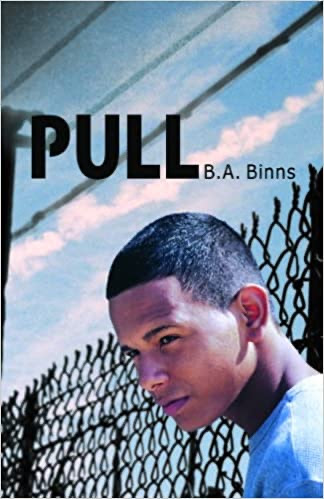
Step two happened at about the same time. I was trying to write an adult romance novel and the heroine had a truly obnoxious older brother. Controlling, interfering, and protective. I found myself wondering what made him that way (and yes, I know I created him so everything was my doing) so I decided to stop and write his childhood as a backstory. That became PULL, and the brother was seventeen-year-old David Albacore. He was at a point in his life when being controlling, interfering, and protective of his younger sister was a positive survival skill. I submitted it to a YA romance novel contest that was being judged by Andrea Somberg, and that’s how I got my agent, and my first book published. Because of that conference, I went out of my way to research and understand teen boys, and I think that made the difference in the writing that led to publication.


A decade later and I have never gone back to working on that adult romance novel.


Q5: Share a piece of advice or craft of writing tip.

A5: #1 Never forget who your readers are

YOUR reader is not “anyone” or “everyone” because no book, story, music, or movie is right for everyone. You will have to find your niche and target market when you want to sell. So start at the beginning thinking about the kinds of people who will like the words on your pages – what are their likes and dislikes, and what do they want in a book. My books are intended for tweens and teens, especially reluctant readers. Every chapter, every page, is deliberately organized to their reading habits, to make them want to read more.


#2 Get to know your own writing style

Yours may be different from every other writer in the world. That’s alright. Your style and your voice are the things that will make your stories unique and marketable. I found success when I realized my style was "fixing." I combined that with the best piece of writing advice ever received, "Give yourself permission to write crap." That means I don’t strive for perfection and get stressed when I find I have written a crappy first draft. Because I can fix the crap. Then I fix it and fix it and fix it again. Don't ask me how many times I revise a story, I no longer even try to count. My style takes a lot of effort, frankly, it’s exhausting. But that is my style. 


#3 Polish your manuscript. 

This is number three because it is of the highest importance, and related to number two. Revising and editing are two different things. Successful authors learn to do both or hire editors to help them before they send their stories out to their readers. And, if they did a good enough job, their readers will spread the word to others, and those authors might find that “everyone” really does like their writing. 


Q6: I understand you are an advocate for reluctant readers and support student choices. Expand on your thoughts, “I believe that anything that makes a student want to read is a good book, no matter the subject matter.”


A6: I believe the reading muscle is like any other, it needs to exercise and get strong.  If young people want to read a book, any book, no matter the subject matter, let them do so and exercise the muscle between their ears. Those are the young people who will grow up to understand their world and get the most out of life. They will make the speeches and policies, and be comfortable anywhere because they learned at an early age that there are indeed “more things in heaven and earth” that they would otherwise not have grasped. They will also be adults with empathy.  It is not “grooming” when a book shows kids how to care about others and refrain from being cruel.


On a personal note, I was still in middle school when my school librarian allowed me to take out a book about a serial killer–a first-person story about a “Dexter-like” villain holding a child hostage and prepared to justify why he had to take the boy’s life. Spoiler alert, that did not make me grow up to be a criminal. But my prolific reading habits put me on track to earn degrees in Biochemistry and Computer Science, and now to a late-life career as an author. Anything and everything that makes a young person want to read is valuable. 


Are you ready for some fun rapid-fire questions?


Describe yourself in five words. 

Thoughtful, cynical, happy, intelligent, and, procrastinator.


What is your favorite childhood memory? 

Almost anything school-related, except gym class. I loved school.


Sunrise or sunset? 

Sunset – I don’t do mornings.


When are you most productive? 

The middle of the night, unfortunately. Writing plays holy heck on my sleep patterns because I can get on a roll at midnight and stopping means things will get lost forever. When my daughter was young I worked all day in an office, then cared for her after work. I only had the leisure time to write after she went to bed. Although I am retired, and she has grown and gone off to live her own life, for some foolish reason my body and brain still think bedtime is creativity time. I've learned the hard way that if an idea strikes in the middle of the night and I try to wait, the idea has evaporated by the next morning. I can do minor editing during the day, but apparently, my creative muse requires late nights to get going. 


What was your favorite childhood book? 

The Wonderful Flight to the Mushroom Planet. Chuck and Dave built a spaceship on the beach and took their favorite chicken along on a voyage to an invisible planet circling the earth. What those boys never knew was that they had a stowaway, I rode along too.


Q7: Tell us why it is important for diversity in children’s literature and for readers to see themselves in books. 


A7: All you need do is check out the reactions of kids to the new Little Mermaid portrayed by Halle Bailey. 


Story has been important to human beings since they first learned to write. The very first time a child is read to, parents can observe how important those pictures and stories are to them. Books show children the things that adults feel are important. If a child never sees themselves in a book, it sends a message that they are not considered important. And, if they only see themselves, that gives the message that all others are unimportant. 


In today's world, neither of those messages helps young people do well in society. 


One final question, Barbara . . .


Q8: The nonfiction genre today is not the textbooks of the past with lists of facts and dates. Publisher’s Weekly reported, “both middle grade and young adult nonfiction works are more diverse and innovative than ever before, and the same is true for books for younger readers”. Share your thoughts about the importance of telling true stories, especially about unknown heroes and heroines.


A8: I love superhero stories. As a child, I was a DC and Marvel fan, and I loved Vampirella. But sometimes young people need to know that there are real live larger-than-life human beings doing important deeds. And that all heroes do not have to look alike. It helps them visualize the possibility they can do great things too. 


My history books were undeniably boring. Names, dates events, over and over, and students' jobs were to memorize and regurgitate it back to pass the test. I did not enjoy history until college when I took a Roman history class and found myself studying a drama, historical figures living real lives, loving and hating, fighting, and betraying. It was all better than anything on TV. Dates weren’t important, motives were, and I loved it. When I decided to write a nonfiction book, I knew I wanted to give readers a similar feeling. I want to present people who will remind kids that people like them, or like people they know, can make major accomplishments to the world. 


Initially, I considered leaving almost every date out of the book. Then I realized I needed the dates to keep track of actions, so the readers will too. But I wanted to emphasize what happens and why more than when.


Thank you for joining us on the GROG Blog, Barbara. Readers are sure to appreciate the inspiring story about “JB” Williams and his fight for equality. He accomplished much in his life. I salute Dr. James B. Williams. 🇺🇸

Additional titles written by Barbara:

Courage
Harper Collins, 2018
Being God . . .
All the Colors of Love, 2012
Pull
All the Colors of Love, 2008

Where can readers of the GROG Blog find out more about you?

Barbara’s Website

Twitter @barbarabinns

Facebook

binns@babinns.com

Wednesday, October 12, 2022

The Cat's Out of the Bag: Isabella Kung and NO SNOWBALL by Kathy Halsey


Book Review


Cat lovers rejoice, author-illustrator Isabella Kung’s regal NoFuzzball is back with a sidekick, NO SNOWBALL. This meow-velous picture book comes in on little cat feet November 1, 2022, for readers 4 - 8 years. But I paw-sitively believe any reader will enjoy these two personalities as they vie to charm their “subjects,” AKA  “family.”

Snowball is a cuddly ball of fur who embodies all the characteristics of very young children–their enthusiasm, their endless questions, and their boundless energy. Cat and kitten tussle for attention, but that energetic “cat-titude” captures NoFuzzball as she trains Snowball to be a proper princess.

Kung’s illustrations set up compelling interactive scenes between the main characters, while her use of perspective encourages readers to really emerge themselves in this magical queendom. Attention educators and librarians, NO SNOWBALL begs for more than one reading, is a great choice for read alouds, and is ripe for Readers Theater for older kids.


Craft Chat with Isabella Kung

KH: Fuzzball and Snowball are such diametrically different personalities. (That’s part of the fun of this picture book.) Tell us how you create characters.


Isabella: Fuzzball was inspired by my cats Bubo and Bella, her personality is basically a combination of both of them in the body of a fuzzy black cat (I just love how ambiguous their body looks under all that fur). She was initially designed as a set of emojis with Ree Stickers. Designing emojis is very similar to doing a character sheet, I drew her in all kinds of expressions and poses and I got to know her personality very well through this process. Her story eventually came a few months later. I’m glad I got to pay homage to her origins and use most of the emojis on the endpapers in the first book.


For Snowball, I had the concept a long time ago while I was on submission for NO FUZZBALL!  I love the idea of Queen NoFuzzball encountering her complete opposite – an itty-bitty, clueless, overly enthusiastic, and affectionate white kitten! Being a visual thinker, I was pretty clear about what I wanted her to look like. So I began by writing about their very first interaction with each other instead – immediately knowing Fuzzball

will want nothing to do with Snowball (an interaction inspired by Bubo and Bella’s first encounter with a foster kitten), and Snowball will fall in love with Fuzzball at first sight. After that, the nature of their relationship – the classic sibling rivalry and love, just fell into place.


KH: I know you worked on NO FUZZBALL off and on for four years. Was NO SNOWBALL easier and quicker? Did the process differ?


Isabella: Yes, definitely quicker and maybe a little easier because I know what works from the first book and there is a foundation to build on, but it’s hard to compare because it’s just different. NO SNOWBALL! has always been a seedling of an idea while I was submitting NO FUZZBALL! Unfortunately, due to deadlines and the passing of my late cats at the beginning of a global pandemic (2020), I was lost in grief and didn’t work on her story until after NO FUZZBALL!’s big debut, when my editor finally asked me about the second book. I zealously promised her a draft by the end of the month and gave myself a deadline for writing! (I’ve never done that before!) I thought since I already have the concept, the setting, and the characters, it should be fine! I ended up anxiously staring at my screen for more than a week before solving the puzzle of how to reach the end of my story. Boy was that stressful! After my ah-ha moment, it was a mad dash to finish my submission by the date promised. I was proud of myself for accomplishing a draft so quickly but I don't think I should attempt it ever again. Luckily, my editor liked it!


I found when writing a sequel, the process and challenges are completely different, mainly figuring out a good balance between introducing a new character to the book and adding new elements (eg. dialogue) to the story, while still staying true to the previously established voice, jokes, rules, and structures set up in the first book. I wanted the sequel to still be a No Fuzzball book but with a new co-star! Initially, I was worried about Snowball taking too much spotlight away from Fuzzball. Fortunately, I found that the two characters complemented each other and their personalities only shone brighter together. All in all, while the concept has been living in my head for a couple of years, it only took 6-7 months to solidify the story (from the first draft to the sketches being approved ), then another 4-5 months to complete the final  illustrations. SO MUCH faster than NO FUZZBALL!


KH: In this duology, you use first person point of view. Did you draft any versions in third person? How did you ultimately decide on first person or third? 


Isabella: As far as I remember, NO FUZZBALL has been written in first person, but I had to double-check, and I found it was actually written in third person for my very first draft! I realized very quickly that to fully express Fuzzball’s sass and attitude, as well as convey just how much she is misunderstanding her name and almost all her family’s intentions, I must tell it from her point of view, thus switching to fist person on my second draft. This way, I can really play up the humor and play with the unreliable narrator's angle against what is depicted in the illustrations. This engages the readers; it makes them feel like they are in on the joke and lets them figure out what is really happening on their own. It also engages me as the author-illustrator to figure out the perfect balance between the text and illustration for this book! It’s my favorite kind of puzzle to solve!

Fuzzball and Ori as kittens. They were a big source of inspiration for Snowball! 

KH: I first connected with you via your illustration and watercolor classes at Storyteller Academy. Please share advice for beginning illustrators, seasoned illustrators, and writers who want to understand the illustration process better.


Isabella: For beginning illustrators - it's all about practice, practice, practice. These days, there are so many great online illustration workshops and classes to take and learn from, but knowledge taught in those courses will only truly be yours when you practice using it. I know it's intimidating and sometimes even discouraging to see your artwork not align with the way you’ve envisioned it. That's okay, it's even expected to produce work (a lot of work) that you are not proud of at first! You’ll learn from every piece. You’ll be training your brain and gaining muscle memory from doing the work, and before you know it, you are improving.


For seasoned illustrators - Take care of your body and your mind! Take breaks! Go for walks, exercise, meditate and stretch. Our job puts a lot of repetitive stress on our bodies and it can take a toll on our mental health as well. I notice more aches and pains lately, and I have also experienced my fair share of burnout. Trying to recover from injuries or a mental rut is so much more difficult than taking better care of yourself regularly. I know it's easier said than done, it's advice I need to remind myself from time to time too.


For writers who want to understand the illustration process more - Thank you for taking the time to learn more about it! We, illustrators, appreciate authors who know when to make suggestions and when to give us the creative space to do our jobs. But most importantly, it will help you become a better picture book author too! Learning how to make a dummy, (even if all you draw are basic shapes and stick figures) will help you properly envision your story as a book. You will get to test out the page turns, get a good feel about the pacing and rhythm and see if the emotional arc is progressing the way you want it.


KH: Writers are curious about how to leave room for an illustrator’s magic. What’s your advice?


Isabella: I love art notes when used appropriately! For example, if I’m reading a manuscript where the author intends the text to tell one part of the story and the illustration to show another, I would want to know what the author has in mind. Especially if the text is deliberately spare, poetic, or lyrical, or if the text is from the point of view of an unreliable narrator… etc. In other words, only use art notes if the text doesn’t convey the whole story. Small details like wanting the character to have pink hair because it is their daughter’s favorite color is more a personal preference rather than helping with the storytelling. It might interfere with what the illustrator is planning.


KH: What are you working on now?

Isabella: I have one story on submission about two twin Koalas that I hope can find the right publishing home soon! I am also working on my very first near-wordless picture book. This story is very different from what I’ve created before. It is a very emotional and personal story for me too. I was trepidatious at first, doubting why I even want to work on something so out of my comfort zone. But this idea and vision have been revisiting me again and again for the last 4 years, so how can I not feel compelled to create it? I hope to share it with the world one day.


Bella (top) and Bubo (bottom), Isabella’s late cats who inspired Fuzzball.

About Isabella Kung


Isabella Kung is the author and illustrator of NO FUZZBALL! (Scholastic, 2020) & NO SNOWBALL! (Scholastic, 2022), about a fuzzy feline Queen that was described as an “expressive, endearing little chunk of well-meaning evil” by Kirkus Reviews. Continuing her feline obsession, she also illustrated over 120 cats for the board books 123 CATS and ABC CATS (Candlewick, 2021). Her illustrations have received accolades from institutions such as the Society of Illustrators, Spectrum Fantasy Art, 3x3, Creative Quarterly, and SCBWI. Outside the world of publishing, Isabella teaches illustration and watercolor classes at Storyteller Academy and Etchr Lab. Isabella resides in San Francisco with her husband and two adorable – you guessed it – cats! She is represented by Jennifer Laughran at Andrea Brown Literary.


Wednesday, October 5, 2022

Valerie Bolling Gets Readers Rolling!

 by Sue Heavenrich

Valerie Bolling’s first book, Let’s Dance! is a whirl and a slide of dance moves. It is full of life and dance and fun to read. Third book in, Valerie hasn’t lost any of her action-magic! Ride, Roll, Run: Time for Fun! (released yesterday from Abrams Appleseed) is every bit as fun and movement-filled as her first. 

Here’s the thing: these books make you want to get up and move. They are perfect for reading out loud to squirmy kids of any age – because you can stop and hop (or skip or jump) before heading to the next page.

And here’s another thing: the rhythm and rhyme of Valerie’s words support the lively language. If all you knew about Ride, Roll, Run was that it was about games kids play after school lets out for the day, I’m pretty sure you’d know what was going on even without pictures. For example:

Throw a stone, hop in zone. Totally old-school hopscotch when you don’t have a hoppy taw handy.

Pedal, pump. Speed bump! I’m sure bike riders everywhere can relate. Even street artists get into the action: Blank sidewalk. Draw with chalk.

So I just had to ask Valerie how she does it.

Valerie: I start by thinking about my own experiences and those of my nieces. And I think about universal things, like dancing (Let’s Dance!), learning to ride a bike (Together We Ride), or playing outside with our friends (Ride, Roll, Run). Even so, books take shape over time and with revision. Take Ride, Roll, Run. At first I set it at a playground. Then I revised it with a city neighborhood in mind. Originally, it was very short – only 50 words – and the editor asked me to expand it. 

Me: I notice most of the words in your book are verbs. Do you create word banks for each activity? 

Valerie: Even though I wanted Ride, Roll, Run to get kids up and moving, I wasn’t intentionally focusing on verbs. It was more like imagining kids playing basketball, for example, and then jotting down what they were doing. I’d ask myself how I would describe their actions to someone else. I was also trying to come up with words and phrases that rhymed. RhymeZone helped there. 


Me: How did you decide what activities to include in your book?

Valerie: I’ve been working in schools for many years, and I’ve watched kids play. And I also remembered some of the things I enjoyed doing outside as a child. So I thought: what do kids around here do after school? Maybe a kid will read my book and think, “Hey, I haven’t ever done that.” So they might try something new, like hopscotch or jump rope or sidewalk art. Ride, Roll, Run is about finding ways to have fun, about finding ways to join with their friends in activity. For example, in the book some kids are playing ball and their friends are standing along the sides cheering them on.

Me: You have three books out now, with six more – three picture books and three early readers – scheduled for publication in 2023 and 2024. Given your success with action-filled picture books, what advice do you have for writers who want to liven up their manuscripts?

Valerie: If you want your writing to be more active, then focus on verbs. Think about how you can show a kid doing something – what words will you use? Make sure you read your story out loud – does it sound active? And then remember, the illustrator has a big part in creating the energy in your book.

Me: Is there anything you wish you’d known before writing your first book?

Valerie: I didn’t know how the publishing industry worked. I didn’t know anything about basic picture book structure. Mostly, I didn’t realize how much time and commitment it would require to make a book. It takes time to get from submissions to having an editor say yes, and time to go from that point to a book being published.

Beyond the writing, there’s my relationship with editors, my activity on social media, and promoting my books. I also speak at conferences [note from Sue: Valerie presented sessions at the SCBWI summer conference!], and I also want to have my own opportunities to learn more about the craft. And I want to make sure I have personal time to write and connect with other writers.

Valerie Bolling is a reader, writer, thinker, fighter, traveler, walker, listener, talker. She has taught elementary and middle school, and now is an instructional coach collaborating with teachers to implement instructional strategies tailored to their students’ needs.

When she is not writing verb-filled books for kids, Valerie keeps active by walking, riding her stationary bike and, when the occasion presents itself, dancing. She has a bunch of books on the way:
Together We Swim (Chronicle, April 2023)
Bing, Bop, Bam: Time To Jam! (Abrams, Oct. 2023)  
Rainbow Days (Scholastic, May/Aug./Nov. 2023)
I See Color (Harper Collins, Feb. 2024)

Valerie is represented by James McGowan of BookEnds Literary Agency. You can find her at her website (http://valeriebolling.com) and she is active on twitter (twitter.com/valerie_bolling).

Wednesday, September 28, 2022

Whispering Pines Writing Retreat 2022 Recap with Chris Mihaly and Kathy Halsey

Whee! After two-plus years away from conferences, we (Kathy, from Ohio and Chris, from Vermont) met up at the wonderful Whispering Pines Writing Retreat in Dedham, Massachusetts this weekend, with forty-some other writers and illustrators and a crew of five magnificent mentors. Organized and run with panache by Pam Vaughan and Julia Boyce, this SCBWI-New England workshop is a gem. Here's a quick recap:

Words of Wisdom (from the mentors)

Each mentor shared an amazing presentation. From our copious notes we've distilled a single shining sentence from each ...

Jessica Anderson
(editor, Christy Ottaviano Books) offered practical pointers on optimizing symbolism and plot devices, and weaving them organically into your writing.
 
❤ "Your opening pages will be more powerful and resonant if they include a nod to your most significant symbol or plot device."

Alex Aceves (author, associate editor, Holiday House) explained how to create compelling characters that readers will feel a connection to. 
"Deploy character flaws strategically: readers don't connect with a perfect character, so write a protagonist whose flaws make us care about them and their success."

Sera Rivers
(agent, Martin Literary Management) revealed the secret of "why THIS book!" -- what makes a work stand out from the slush pile.
❤ "Bring a fresh perspective to a universal theme, and make your work accurate and authentic."

Abby Mumford & Brent Taylor (Photo, Mary Cronin)

Brent Taylor (agent, Triada US) broke down the business of children's books. Even the seasoned authors learned a thing or three. (Territories: World, World English, North American) 
❤ Books like Prince & Knight  "would have meant the world" to Brent as a kid. Brent believes territory is just as important to negotiate as royalties."

Chris Krones (editor, Clarion Books) energized us to knock the socks off writer's block.  They suggested going to the bookstore for inspiration and what gaps your book could fill.
❤ For Chris, "interest in the Merriam-Webster Word of the Year. 'they,' and creating a simple list, led to The Pronoun Book. Create lists, look for simple yet compelling concepts. 

Applying the Lessons

L to R: Brent, Alex, Sera, Jessica, Chris (photo, Mary Cronin)
We applied mentors' suggested writing exercises and pointers to make fresh improvements to our WIPs. A couple of examples:

Chris: I used Jessica's insights into symbols and structure to review a picture book manuscript word by word, working to instill visual and other sensory expressions of my major theme. I think it's better!

Kathy: Thanks to Sera's writing exercise, I changed a problematic setting in my picture book manuscript which enabled me ramp up the conflict.


Parting Thoughts: Top Tips for Writing Workshops

We're each sharing a single top tip for workshop and conference-going. (What? Are they contradictory??) We also include a couple of pointers from other attendees -- because WPWR is all about learning from one another! 

Chris: My top tip is: Say yes! Even if your first reaction is that you don't want to play the silly picking-up-dice-with-cups-on-your-hands game with these people you just met ... just say yes. You'll (probably) be glad you did.
Sally is game! photo by Charlotte Sheer
Kathy: My top tip is: Say no! Know when you've reached your limit socially or mentally. Take a break. Nap, walk in nature, write in private and come back refreshed. 

Laura Renauld: Step outside your comfort zone and be receptive to new ideas. That's what it's all about!

Connie Smith: Ask questions. If you don't understand what a presenter is saying, ask for an explanation ... and if you forget other people's names, just keep asking!

Books by WPWR attendees (photo, Nancy Tupper Ling)

Is it time to break your pandemic-era isolation and congregate again? Thinking of brushing off your Lucky Scarf and signing up for a workshop or conference soon? 
If you're looking for a little help getting back into the swing of things, check out these GROG posts from the archives: 

Leave a comment below about your favorite book gatherings. 
And good luck out there!

Wednesday, September 21, 2022

Mentor Texts for a Changing Season

 by Sue Heavenrich

Fall officially begins on Thursday, September 22. In reality, fall begins much earlier. The tomatoes and peppers in my garden know fall is coming. The birds and woolly bear caterpillars can tell, weeks before the official beginning of autumn. So when I began searching for mentor texts about fall, I looked for books that captured not just the season, but also that in-between-ness. 

I lucked out when Buffy Silverman’s newest book landed on my desk for a book review. Having seen the jacket image months ago, I was eager to read it.

On a Gold-Blooming Day: Finding Fall Treasures, by Buffy Silverman (Millbrook Press, 2022)

On a gold-blooming, bee-zooming, sun-dazzling day…
Snakes glide. 
Spiders hide. 
Crickets chirp. 
Butterflies slurp.

Buffy’s lyrical language that just reels you into the changing season! She fills the page with verbs and color and sensory detail, all rolled into one luscious leaf pile just waiting for you to jump on. Then there are the large, bold photos and, of course, excellent back matter. 

“So Buffy,” I asked, “do you use mentor texts?”

“Of course I do,” Buffy responded. “I am a believer in regular trips to the library to check out stacks of picture books.  Reading helps put me in the mindset to write, even if the books are not related to the topic that I'm focused on.”

Me: What were some of the mentor texts you looked at?

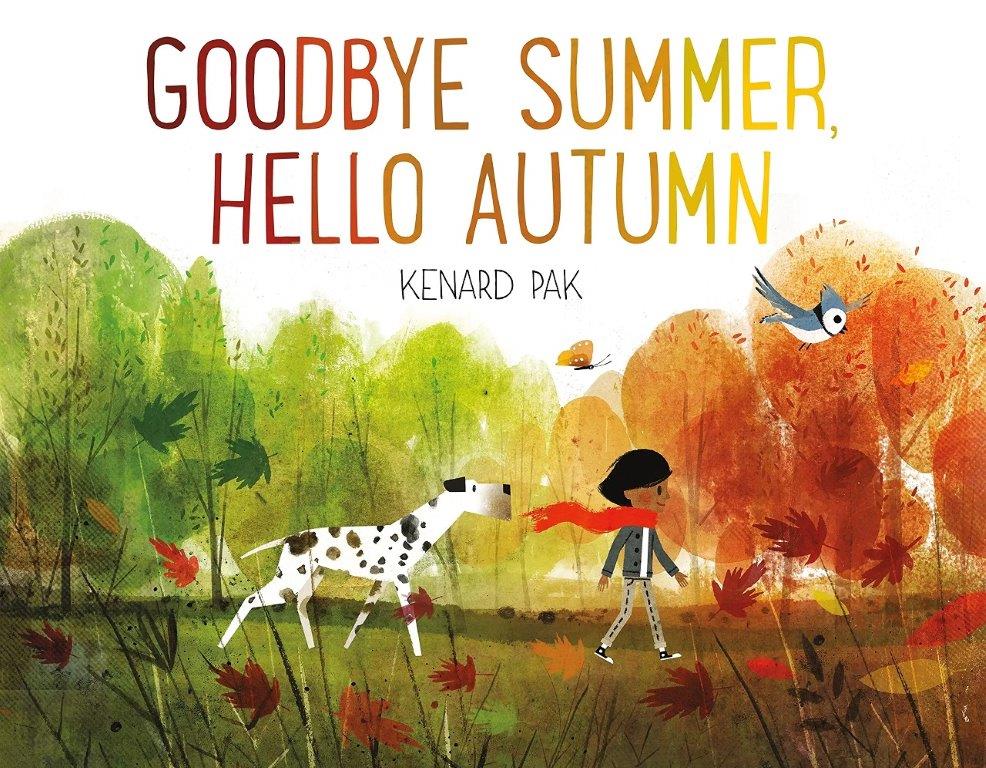
Buffy: Some of the books that I remember reading when drafting On a Gold-Blooming Day include Douglas Florian's Autumnblings, Kenard Pak's Goodbye Summer, Hello Autumn; April Pulley Sayre's Full of Fall; Lola Schaefer's Because of an Acorn; and Loretta Holland's Fall Leaves

I wrote the first draft of On a Gold-Blooming Day during my critique group's annual retreat. We couldn't spend time together during the summer of 2020, so we met on zoom for a few days. Each night we shared what we wrote during the day. Like many people, I had trouble finding motivation to write during the height of covid shutdowns. But peer-pressure is good motivation and inspiration.

Since I was writing a follow-up to On a Snow-Melting Day, I followed the pattern of that book. Writing the second book felt a bit like plagiarism--but I guess you can't plagiarize yourself! Many of the plants and animals featured in both books are ones that live near my house and that I observe and attempt to photograph. I live near a lake, woods, and field, so I included all three habitats. 

Me: How did you collect such a wonderful assortment of words? I imagine you collecting words like I collect leaves, but where I press leaves between the pages of old encyclopedias, you probably stick post-its of verbs to the wall.

Buffy: I tend to do a lot of playing with word options as I write. For example, on my first draft I wrote: 

On a leaf-chomping,
Romping, stomping, clomping, swamping, whomping
On a breeze-blowing/slowing/showing/crowing  
wind-whistling, leaf-shaking/trembling  
Tossing

And then landed on:
On a nut-crunching, leaf-lunching, hole-digging day...

It's possible that some of the words from mentor texts ended up in On a Gold-Blooming Day. They were certainly floating around in my head!  

What’s really cool is that some of Buffy’s mentor texts were the same ones I’d dug up from the library stacks. 

Summer Green to Autumn Gold: Uncovering Leaves’ Hidden Colors, by Mia Posada (Millbrook Press, 2019).

This book celebrates the colors of fall, and introduces the science behind leaf color. I love Mia’s artwork – here she combines watercolor and collage – and I love her use of language. Take this sentence: From emerald to jade and every shade in between, summer leaves fill the world with green. 

Read it out loud, slowly enough to enjoy the internal rhymes (assonance) of jade and shade and between and green. 

She does a good job explaining leaf pigments, how leaves separate from their twigs, and what happens to them once they fall. Then there is the back matter to consider: why deciduous trees lose their leaves, the various pigments in nature, and some hands-on activities.

Full of Fall, by April Pulley Sayre (Beach Lane Books, 2017)

Big photos, lyrical language. What’s not to love about an April Pulley Sayre book? Especially when the back matter explains each of the spreads in greater detail. Notes about chlorophyll and other pigments. A focus on midribs and leaf margins.

Goodbye Summer, Hello Autumn, by Kenard Pak (Henry Holt, 2016)
What’s fun about this book is that it’s a conversation between a girl and the trees (and flowers and creatures) she meets as summer turns to fall. 
Hello, trees, she says as she heads off on a walk. And the trees answer: Hello! Now that the cool winds have come, we love how our branches sway in the sun. 
Note to self: Be Playful!


Autumnblings, Poems and Paintings, by Douglas Florian (Greenwillow Books, 2003)
Normally, I seek mentor texts published within the last 5 years, but I have a soft spot for Florian’s books. They are just plain fun to read. Plus, poetry does not go out of date no matter how long a book’s been sitting on the shelf. Because I love to write lists, I was happy to see some list poems ~ couplets about “What I love about autumn”: apple picking, frisbee flicking…

If you’re seeking fall mentor texts, these are good ones to start with. Depending on what you write, your list of autumnal mentor texts may look different. Fortunately, there are bushel baskets full of books about fall and leaves and pumpkins…

And if you want to know more about mentor texts, here’s a link to earlier posts on GROG.

Wednesday, September 7, 2022

Addressing OCD with Young Readers - Kidlit Author Natalie Rompella Talks About her New Picture Book by Eileen Meyer


I'm delighted to welcome author Natalie Rompella here today to share her thoughts about researching and writing her new picture book about OCD, which comes out later this month.

1. Tell us a little bit about your newest picture book coming out with Albert Whitman & Co., MALIK’S  NUMBER THOUGHTS: A Story about OCD

Malik’s obsessive-compulsive disorder means his brain wants him to do everything on the count of four. When he’s invited to a mini-golf birthday party, Malik is excited. But he worries about his Number Thoughts. If he has to take four tries to get the ball in the hole, he’ll never win—and everyone might make fun of him. Can Malik say “no” to his Number Thoughts?

2. This seems like such an important picture book for young readers  because it includes good strategies for dealing with obsessive-compulsive disorder. Can you share more:


Yes, it was important to me that young readers who have OCD could see themselves in this book. When I set out to write it, I realized that I could not convey (especially in a low-word-count picture book) someone with OCD receiving a diagnosis, working through treatment, and reaching a point at which he or she implemented strategies successfully. I chose to start the book when Malik has already been in treatment and is applying what he learned to a new situation.

 I wanted to feature an activity many children enjoy that could be difficult for someone with counting OCD. I chose mini-golf—a favorite in my family. I also wanted to have a spread where Malik creates his own practice course—something I have done in my classroom that can be a blast!

I hope that someone who has just been diagnosed with OCD as well as someone working on strategies can see that he or she is not alone.


3. This is your THIRD book about the topic of OCD. Can you share a bit more about why this topic is important to you, as well as information about your earlier work?

 The first book I wrote on OCD was a nonfiction book for teens titled It Happened to Me: Obsessive-Compulsive Disorder [Scarecrow Press]. This book contains narratives from teens with OCD and offers information, such as types of OCD, types of treatment, and tips for handling OCD in college. Book link here:https://www.amazon.com/Obsessive-Compulsive-Disorder-Ultimate-Guide-Happened/dp/0810857782/

Because of all my research for that book, as well as because I have OCD, I decided to write a middle grade novel, Cookie Cutters & Sled Runners [Sky Pony Press], where the character is coping with her OCD. I wanted this book to be both a mirror and a window—a chance for kids with OCD to see themselves in the book and a chance for kids who don’t have OCD to understand what it’s like. Find Natalie's novel here: https://www.amazon.com/Cookie-Cutters-Runners-Natalie-Rompella/dp/1510717714


4. With your detailed research and experience, do you have any special advice for teachers who work with students or parents who have children with OCD?

 I am not a therapist/psychologist. However, as a teacher and a parent, I would suggest reaching out to the parents for how you can help. There are so many great books out there. I recently did a talk about Cookie Cutters for kids with OCD, and they appreciated reading about a character who was going through things they had gone through.

Mention that writing can be therapeutic and suggest that the parent help the child pick out a journal in which to write down whatever he or she wants—unwanted thoughts, goals, poetry, stories, etc.


5. Tell us something we don’t know about you, Natalie! Do you have a favorite guilty pleasure TV show, hobby, or a favorite food?


Through my research and writing, I fell in love with watching/following sled dog racing (featured in Cookie Cutters & Sled Runners)…I even attended the start of the Iditarod.

Any spare time I have is spent playing pickleball—it is how I clear my mind. As for favorite food: yellow cake with buttercream frosting. And I am sometimes called The Bug Lady because I collect and study bugs for fun.

THANK YOU, Natalie, for joining us today on the blog.

Natalie Rompella is the author of more than sixty books and other resources for children, including Malik’s Number Thoughts: A Story about OCD, a picture book addressing obsessive number thoughts; Cookie Cutters & Sled Runners, a middle grade novel about OCD; and It Happened to Me: Obsessive-Compulsive Disorder, a nonfiction book about OCD for teens. She is a former elementary school and middle school teacher. Natalie lives with her two kids, husband, and dog in the Chicago suburbs, where she enjoys playing pickleball, baking, and hanging out with her family. 

Find out more at natalierompella.com.

If you’re interested in a school or library visit, contact me at info@natalierompella.com

Website: https://natalierompella.com

Twitter: @NatalieRompella

Facebook: https://www.facebook.com/AuthorNatalieRompella/