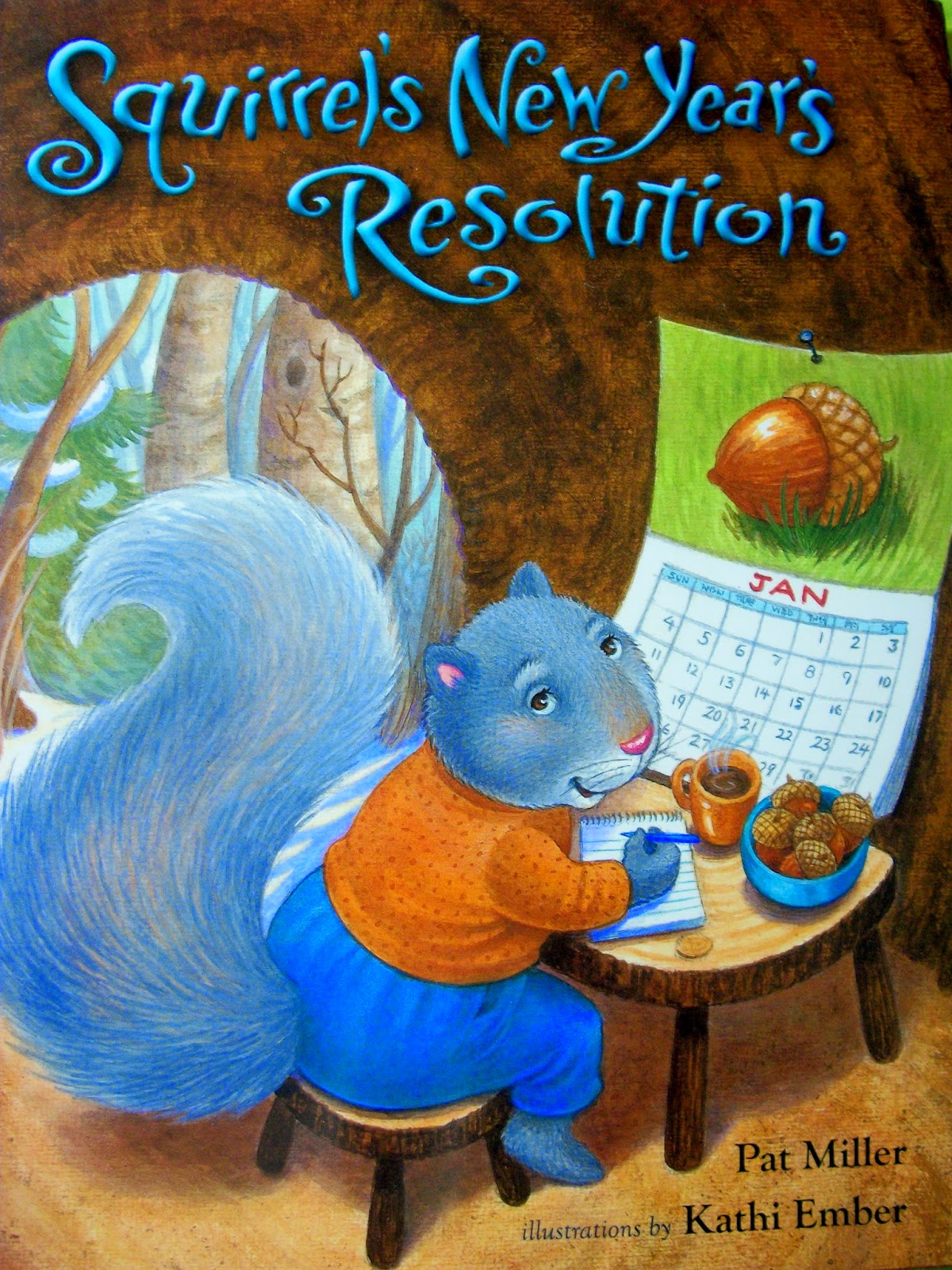
Join this Writer’s Organization! Try that Challenge! Take another Course! EEK! Writer friends urge me to participate in this course, that workshop, these Facebook groups, those writing
challenges. What am I missing? How can I ever find
the time?

Photo by GROGGER Suzy Leopold
Join this Writer’s Organization! Try that Challenge! Take another Course! EEK! Writer friends urge me to participate in this course, that workshop, these Facebook groups, those writing
challenges. What am I missing? How can I ever find
the time?
|
| Photo by GROGGER Suzy Leopold |
Time for a reality check: I turned to my GROG colleagues -- serious writers all, ranging across
continents, occupations, levels of experience, and numbers of publications. I
asked them: "How do you spend your writing time?" I asked them to estimate how many hours they spent drafting, revising, reading, doing research, conferences, courses, social media, marketing, etc.
And now, I'm happy to share these thoughts and recommendations, from my informal GROG survey.
Bottom line: None of us has time to do it all. We have day jobs, spouses and loved ones,
social obligations, volunteer work, children, grandchildren, friends in
need. We want to "give back" to the writing world. What’s a writer to do?
We know the answer: WRITE. The GROGGER responses reminded me that when it comes to all those “writing-related” activities, we have to stick to the ones that are helpful enough to warrant taking time away from actual writing.
We know the answer: WRITE. The GROGGER responses reminded me that when it comes to all those “writing-related” activities, we have to stick to the ones that are helpful enough to warrant taking time away from actual writing.
I boiled my colleagues' responses down to these three points:
1. Write! Carve out
“writing time” every day. Make
writing your top priority during that designated time. Maybe it’s a half-hour before the rest of the household awakes. Maybe it’s an hour after everyone else is
asleep. Whenever it is, make it sacrosanct. No internet surfing. No opening mail. “Writing” means drafting and
revising. If inspiration isn’t coming, try writing a poem! A journal entry, a cover letter . . . just
write! GROGGERs' writing times vary considerably, depending on where they are on a particular project (or other aspects of their busy lives) but range from about an hour a day to 30 hours or more per week. (And we all spend more time revising than drafting!)
 |
| GRAB THAT PENCIL, CHEDDAR! |
2. Everything else is extra. Select only those “extras” that really help your writing. Want to refine your craft? Maybe a course or studying a book on craft is your best bet. Are you feeling isolated? Then join a community, whether it’s an in-person critique group or an online writing group, or volunteer to work with kids. Has your inspiration dried up? Maybe you need to hang out with the grandchildren, or maybe just going for a walk is what you need! You’ll never be able to do it all . . . so choose what inspires you, and nourishes your writing.
 |
| Sniffing out new inspiration . . . |
Here's some collective GROGGER wisdom about setting priorities, from among all those “other”
activities:

Challenges: GROGGERs have tried various online challenges, and concluded it's best to choose one, or at most two, per year. Favorites among GROGGERs are 12x12, WOW, and PiBoIdMo.
Reading: Do it! Study mentor texts, read books on writing craft and the business of writing, adult fiction and nonfiction for pleasure, YA for the heck of it, poetry, The New Yorker – read it all. GROGGER Pam Vaughan suggests that, if you’re stuck in the car a lot (chauffeuring kids, anyone?) try books-on-tape! GROG members agree, reading is a high priority. Most of us try to get some reading done every day. |
Hey, I get great ideas in my dreams!
Critique groups: Serious writers must share drafts and revisions with trusted writing buddies. Online groups work well for many. Some are lucky enough to find supportive face-to-face groups. Crit groups are well worth the time -- though most GROG members find that one, or two, of these is the most we can responsibly handle.
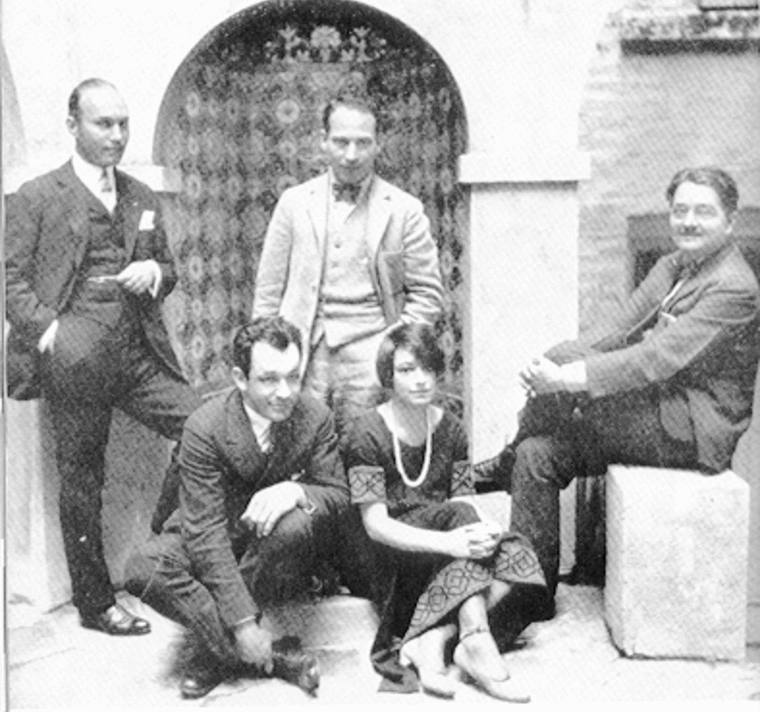
Algonquin Round Table members
Art Samuels, Charlie MacArthur, Harpo Marx, Dorothy Parker, Alexander Woollcott
circa 1919, from Wikimedia commons, photographer unknown.
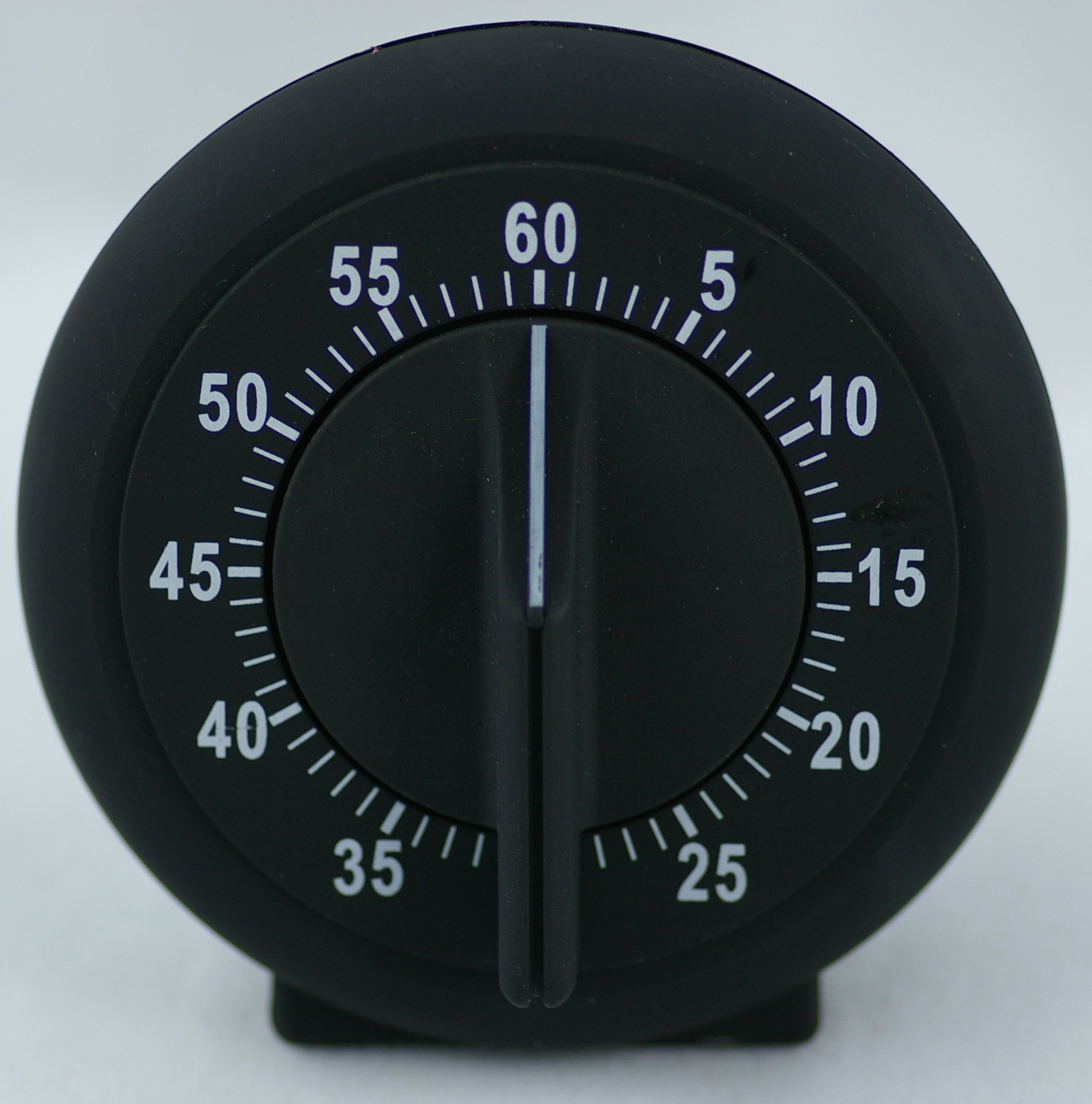
Warning! Warning! LIMIT social media!Sure, there are some wonderful Facebook groups, and FB can be a great place to share information and support other writers. Twitter provides valuable connections and information too . . . but GROGGERs find social media can consume too much precious writing time. All GROGGERs participate in social media, and we agree a little can be good (a half-hour to an hour a day?). (See these prior posts: Facebook groups; more Facebook groups; Twitter tips; more Twitter tips.) But it's also true that too much is . . . too much.Try setting a timer! |
By Hustvedt (Own work) [CC-BY-SA-3.0 (http://creativecommons.org/licenses/by-sa/3.0) or GFDL (http://www.gnu.org/copyleft/fdl.html)], via Wikimedia Commons
3. Keep track of how you spend your time
(see above).
Some of my GROG friends could tell me exactly how much time they spent regularly on various activities . . . others, not so much. Try this for a week or a month: record your hours. If you feel you're not getting enough writing done, you’ll see exactly what’s taking up too much time. You'll get a more realistic sense of how long different tasks take. And when you meet a writing target or a goal – celebrate!
Bottom line: Remember Jane Yolen's essential rule: "Butt in chair!" And write on.
 |
| That's BUTT in chair, Cheddar!!
Special thanks to Marcie Atkins, Todd Burleson, Tina Cho, Suzy Leopold, Pat Miller, Janie Reinart, Patty Toht, and Pam Vaughan.
|


Og3qfzQ~~_35.JPG)